


The Importance of Quality Soldering in Repairs
- Solder Surgeon
- Feb 28
- 4 min read
Soldering is a fundamental skill in electronics repair, yet it is often overlooked or underestimated. Poor soldering can lead to a cascade of problems, from malfunctioning devices to complete failures. In this blog post, we will explore the significance of quality soldering, the techniques involved, and how mastering this skill can enhance your repair work.
Understanding Soldering
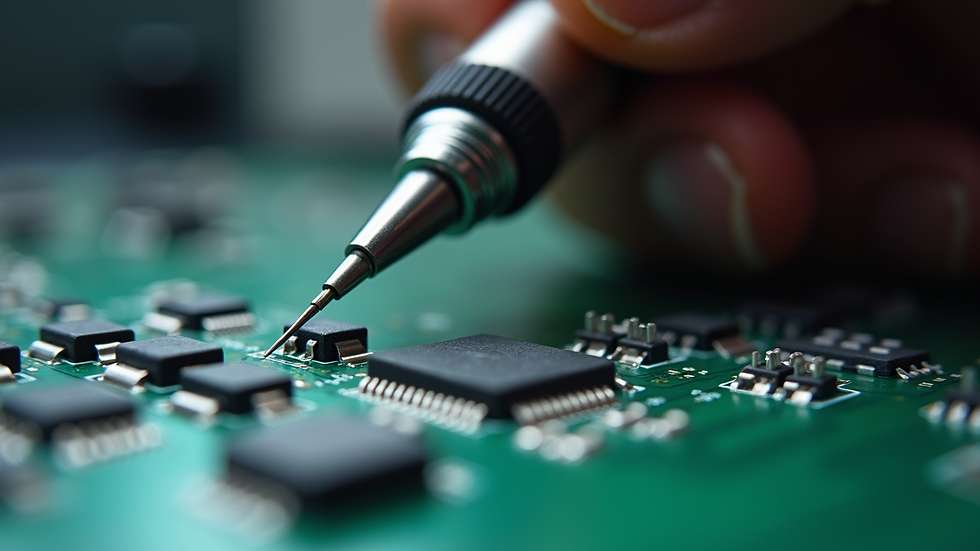
Soldering is the process of joining two or more electronic components together using a filler metal, known as solder. This process is essential for creating reliable electrical connections in various devices, from simple circuit boards to complex machinery.
What is Solder?
Solder is typically made of a combination of tin and lead, although lead-free alternatives are becoming more common due to health and environmental concerns. The melting point of solder is lower than that of the components being joined, allowing it to flow into the joint and create a strong bond upon cooling.
Types of Soldering
There are several types of soldering techniques, each suited for different applications:
Through-Hole Soldering: Used for components with leads that pass through holes in a circuit board.
Surface Mount Soldering: Involves soldering components directly onto the surface of a circuit board.
Reflow Soldering: Common in manufacturing, where solder paste is applied and then heated to create connections.
The Consequences of Poor Soldering
Quality soldering is crucial for several reasons. Poor soldering can lead to:
Weak Connections: Insufficient heat or improper technique can result in cold solder joints, which are prone to failure.
Short Circuits: Excess solder can create bridges between connections, leading to short circuits that can damage components.
Increased Repair Costs: Devices that fail due to poor soldering often require more extensive repairs, increasing costs and time.
Real-World Example
Consider a scenario where a technician repairs a smartphone. If the soldering on the charging port is done poorly, it may lead to intermittent charging issues. This not only frustrates the user but also requires the technician to redo the work, wasting time and resources.
Essential Soldering Tools
To achieve quality soldering, having the right tools is essential. Here are some must-have items for any soldering kit:
Soldering Iron: A reliable soldering iron with adjustable temperature settings is crucial for effective soldering.
Solder: Choose the right type of solder for your project, whether it be leaded or lead-free.
Soldering Iron Stand: A safe place to rest your soldering iron when not in use prevents accidents.
Solder Wick: Useful for removing excess solder or correcting mistakes.
Flux: Helps improve the flow of solder and ensures a strong bond.
Techniques for Quality Soldering
Mastering soldering techniques is key to achieving high-quality results. Here are some essential tips:
Clean the Surfaces
Before soldering, ensure that the surfaces to be joined are clean and free of oxidation. Use isopropyl alcohol and a lint-free cloth to wipe the components.
Use the Right Temperature
Set your soldering iron to the appropriate temperature, typically between 350°C to 400°C (662°F to 752°F). Too low a temperature can lead to cold joints, while too high can damage components.
Apply the Right Amount of Solder
Use just enough solder to create a solid connection without excess. A good joint should have a shiny appearance and should not be too bulky.
Inspect Your Work
After soldering, visually inspect the joint for any defects. A good solder joint should be smooth and shiny, without any cracks or dull spots.
Common Soldering Mistakes to Avoid
Even experienced technicians can make mistakes. Here are some common pitfalls to watch out for:
Overheating Components: Prolonged exposure to heat can damage sensitive components. Always work quickly and efficiently.
Not Using Flux: Flux is essential for ensuring a good bond. Skipping this step can lead to weak connections.
Ignoring Safety Precautions: Always wear safety glasses and work in a well-ventilated area to avoid inhaling fumes.
The Role of Practice in Mastering Soldering
Like any skill, soldering improves with practice. Here are some ways to enhance your soldering abilities:
Start with Simple Projects: Begin with basic circuits to build your confidence before tackling more complex repairs.
Join a Workshop: Many community colleges and maker spaces offer soldering classes where you can learn from experienced instructors.
Watch Tutorials: Online resources, such as video tutorials, can provide valuable insights and techniques.
The Impact of Quality Soldering on Repair Businesses
For repair businesses, the quality of soldering can significantly impact reputation and customer satisfaction. High-quality repairs lead to:
Increased Customer Trust: Customers are more likely to return for future repairs if they know they can rely on your work.
Positive Reviews: Satisfied customers often leave positive reviews, which can attract new business.
Reduced Warranty Claims: Quality soldering minimizes the likelihood of failures, reducing the number of warranty claims.
Case Study: A Successful Repair Shop
Consider a local repair shop that emphasizes quality soldering in its services. By investing in training and high-quality tools, the shop has built a loyal customer base. Customers appreciate the reliability of their repairs, leading to word-of-mouth referrals and a steady stream of business.
Conclusion
Quality soldering is not just a technical skill; it is an art that can make or break electronic repairs. By understanding the importance of soldering, using the right tools, and practicing essential techniques, you can enhance your repair work and build a reputation for excellence.
Take the time to invest in your soldering skills, and you will see the benefits in your repair projects. Whether you are a hobbyist or a professional technician, mastering soldering will elevate your work and ensure that your repairs stand the test of time.


Comments